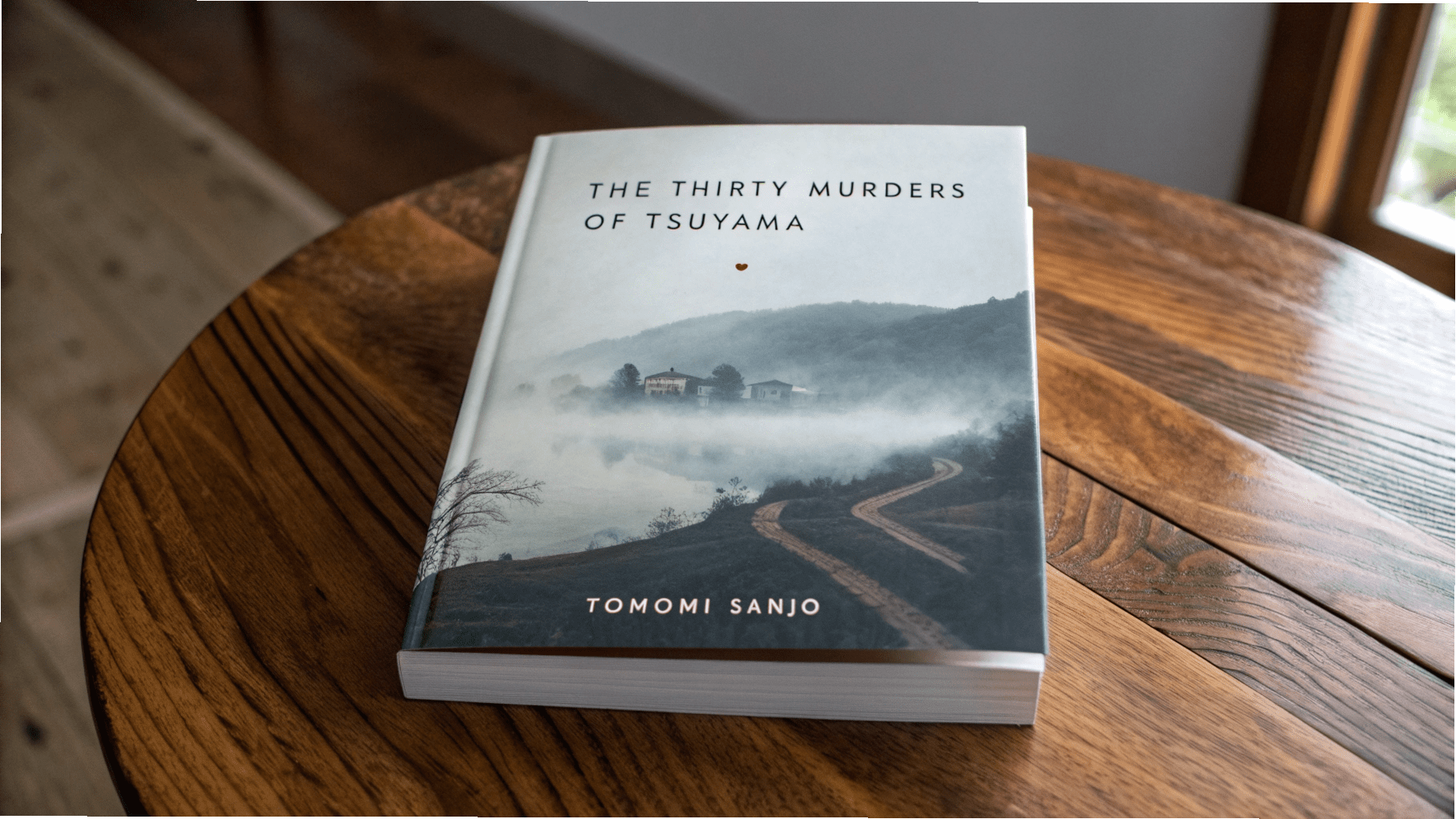
The Thirty Murders of Tsuyama by Tomomi Sanjo explores one of the most shocking and tragic events in Japan’s modern history. This work provides a detailed account of the 1938 massacre in which Mutsuo Toi, a socially isolated young man, killed 30 people in his rural village. Tomomi Sanjo examines the psychological, social, and cultural factors that contributed to this devastating act, offering readers both historical context and personal insights. The book also highlights the aftermath, media coverage, and the lasting legacy of the tragedy, making it an essential reference for understanding the human and societal dimensions of mass violence.
Understanding the Tsuyama Massacre
The thirty murders of Tsuyama by Tomomi Sanjo shed light on one of the most shocking mass killings in Japan’s modern history. This event, which occurred in 1938, saw a young man take the lives of 30 people in his rural village, leaving a lasting impact on Japanese society. The story has been explored through literature, documentaries, and media discussions, with Tomomi Sanjo’s work focusing on both the psychological and societal aspects of the tragedy. The thirty murders of Tsuyama by Tomomi Sanjo provides readers with a detailed understanding of the human, social, and cultural factors surrounding this massacre.
This article explores the Tsuyama Massacre in depth, examining the perpetrator, the sequence of events, societal influences, and the massacre’s long-term cultural impact. By analyzing these elements, readers gain insight into why this incident remains a significant reference in discussions of crime, mental health, and societal pressures in Japan.
The Perpetrator: Who Was Mutsuo Toi?
Mutsuo Toi, the 21-year-old responsible for the thirty murders of Tsuyama by Tomomi Sanjo, lived in the rural village of Kamo in Okayama Prefecture. Known as a quiet and isolated young man, he struggled with health issues, including tuberculosis, which led to social ostracism. Tomomi Sanjo’s account highlights Toi’s background, detailing the combination of personal grievances and societal isolation that contributed to his tragic actions. The author presents Toi not only as a criminal but also as a product of his environment, offering a nuanced perspective on the human factors behind the massacre.
By examining Toi’s life, the thirty murders of Tsuyama by Tomomi Sanjo emphasizes the warning signs often overlooked in socially isolated individuals. His background, family dynamics, and interactions with neighbors help explain how a single individual could carry out such a catastrophic act. Understanding Toi’s psychological profile remains essential for studying the interplay between social factors and extreme violence.
The Night of Horror: How the Massacre Unfolded
The thirty murders of Tsuyama by Tomomi Sanjo provides a chilling reconstruction of the night of May 21, 1938, when Mutsuo Toi committed the massacre. Armed with a shotgun, katana, and axe, he systematically attacked members of his village, killing 30 people, including his own grandmother. The book meticulously details the sequence of events, from his preparation to the final moments of the tragedy. Tomomi Sanjo uses eyewitness accounts and historical records to recreate the horrifying atmosphere of that night, highlighting both the unpredictability and the deliberate planning behind the attacks.
The author emphasizes the impact on the community, showing how fear and confusion spread rapidly as neighbors discovered the carnage. The thirty murders of Tsuyama by Tomomi Sanjo not only narrates the events themselves but also captures the emotional trauma experienced by survivors and witnesses. This detailed recounting allows readers to grasp the sheer scale and shock of the massacre in a historical context.
Weapons of Destruction: Tools Used in the Attack
In the thirty murders of Tsuyama by Tomomi Sanjo, the focus on the weapons used illustrates the brutality of the massacre. Mutsuo Toi combined firearms with melee weapons, including a shotgun, katana, and axe, to carry out his attacks. The use of multiple weapons not only increased the number of casualties but also demonstrated Toi’s methodical approach. Sanjo’s detailed description provides insight into the tactical aspects of the killings, while also reflecting on how weapon accessibility can amplify the consequences of social isolation and personal grievances.
Beyond the mechanics of the attack, the thirty murders of Tsuyama by Tomomi Sanjo explores the psychological effect of the weapons themselves. The choice and handling of these instruments reveal Toi’s intent and state of mind, offering a deeper understanding of how preparation and planning intersect with extreme emotional distress. This analysis is crucial for comprehending the dynamics of such historical mass killings.
Psychological Profile: What Drove Mutsuo Toi?
The thirty murders of Tsuyama by Tomomi Sanjo delves into the psychological makeup of Mutsuo Toi, examining his motivations and mental state. Tomomi Sanjo suggests that a combination of social isolation, chronic illness, and personal resentment played a significant role in driving Toi to commit the massacre. The book highlights warning signs, including withdrawal from social interactions and expressions of frustration, painting a portrait of a young man trapped in despair and alienation.
Sanjo also explores the broader social pressures that may have influenced Toi’s psyche, such as community expectations and stigmatization due to illness. The thirty murders of Tsuyama by Tomomi Sanjo presents a detailed study of how these external and internal factors converged to precipitate a tragic and violent act, offering readers valuable insights into the complexities of human behavior under extreme stress.
Social Stigma and Isolation: The Role of Tuberculosis
In the thirty murders of Tsuyama by Tomomi Sanjo, the author emphasizes how Mutsuo Toi’s tuberculosis contributed to his social isolation. At the time, tuberculosis carried significant stigma, causing Toi to be ostracized by neighbors and peers. Sanjo illustrates how this rejection fueled feelings of resentment and anger, which became a driving force behind the massacre. The book highlights that society alienation, combined with untreated health issues, can have devastating psychological consequences, particularly for young individuals in rural communities.
The thirty murders of Tsuyama by Tomomi Sanjo also examines the cultural context, showing how societal attitudes towards illness amplified Toi’s sense of hopelessness. By contextualizing the massacre within the social norms of 1930s Japan, Sanjo demonstrates the importance of understanding both individual and societal factors in historical crimes. This approach provides readers with a more comprehensive perspective on the tragedy and its root causes.
The Aftermath: Immediate Reactions and Investigations
The thirty murders of Tsuyama by Tomomi Sanjo explores the immediate aftermath of the 1938 massacre, documenting how the local community and authorities responded. Following the tragedy, villagers were left in shock, grappling with fear and grief. Sanjo describes the efforts of law enforcement to investigate the incident, reconstruct the events, and support survivors, highlighting the challenges faced in rural settings with limited resources. The meticulous investigation helped clarify the sequence of events and the motives behind Toi’s actions.
Sanjo also focuses on the broader societal reactions, explaining how the massacre dominated local and national discourse. The thirty murders of Tsuyama by Tomomi Sanjo emphasizes the psychological impact on the village, showing how trauma reverberated long after the event. By examining the aftermath, the book provides readers with insight into both the practical and emotional consequences of such a devastating act.
Media Coverage: How Japan Reacted to the Tragedy
In the thirty murders of Tsuyama by Tomomi Sanjo, the author analyzes how media outlets reported the event and influenced public perception. Newspapers and radio broadcasts covered the massacre extensively, often sensationalizing the story to attract attention. Sanjo highlights how these accounts shaped societal understanding of the tragedy, creating narratives around Toi’s motivations and the horror of the event. The media’s portrayal played a significant role in framing public discourse about crime, mental health, and social isolation in Japan.
The thirty murders of Tsuyama by Tomomi Sanjo also reflects on the ethical responsibilities of media in reporting tragedies. By critiquing sensationalism and emphasizing factual reporting, Sanjo encourages readers to consider how narratives are constructed and consumed. This analysis offers valuable lessons on the intersection of media, society, and historical events, ensuring the massacre’s story is understood with both accuracy and empathy.
Cultural Impact: Influence on Japanese Society and Art
The thirty murders of Tsuyama by Tomomi Sanjo explores the lasting cultural impact of the massacre on Japanese society. Sanjo details how the event inspired films, documentaries, literature, and academic studies, serving as both a cautionary tale and a subject of artistic interpretation. By examining these cultural responses, the book highlights the complex ways societies process collective trauma and attempt to make sense of senseless violence. The massacre’s story continues to resonate in discussions about isolation, mental health, and social cohesion.
Sanjo also emphasizes the educational value of reflecting on historical tragedies. The thirty murders of Tsuyama by Tomomi Sanjo shows how literature and media can contribute to social awareness, helping contemporary readers understand the human and societal factors that lead to such events. By contextualizing the massacre within broader cultural narratives, Sanjo ensures the lessons of Tsuyama remain relevant for future generations.
Comparative Analysis: Tsuyama Massacre vs. Other Global Incidents
In the thirty murders of Tsuyama by Tomomi Sanjo, the author places the massacre in a global context, comparing it to other mass killings worldwide. By analyzing similarities and differences, Sanjo identifies patterns in psychological, social, and cultural factors that contribute to mass violence. This comparative approach allows readers to see the Tsuyama Massacre not as an isolated tragedy but as part of a broader study of human behavior and societal pressures that can lead to extreme acts.
The thirty murders of Tsuyama by Tomomi Sanjo also explores the role of community, governance, and mental health awareness in preventing similar incidents. By learning from both domestic and international examples, Sanjo emphasizes the importance of early intervention, social support, and responsible media coverage. This comparative analysis provides readers with valuable insights into the causes and consequences of mass violence globally.
Legacy: How the Massacre Is Remembered Today
The thirty murders of Tsuyama by Tomomi Sanjo emphasizes the enduring legacy of this tragic event in Japanese history. Sanjo discusses how memorials and community remembrance efforts honor the victims while educating future generations about the consequences of isolation and social neglect. The massacre remains a somber point of reference in local history, demonstrating the importance of community resilience and awareness in the face of tragedy. By documenting these memories, the book ensures that the lives lost are not forgotten.
Sanjo also explores how the thirty murders of Tsuyama by Tomomi Sanjo has influenced academic and cultural discourse. Scholars, writers, and filmmakers continue to examine the massacre for insights into human behavior, societal pressures, and psychological trauma. The ongoing discussion highlights the relevance of historical reflection and its role in fostering empathy and social responsibility among modern audiences.
Lessons Learned: Preventing Future Tragedies
In the thirty murders of Tsuyama by Tomomi Sanjo, the author stresses important lessons for preventing similar tragedies. Social isolation, untreated mental health issues, and societal stigma are recurring factors in mass violence. Sanjo advocates for stronger community support systems, early detection of mental distress, and education on social inclusivity. By reflecting on these lessons, societies can create environments that reduce the risk of such catastrophic events.
The thirty murders of Tsuyama by Tomomi Sanjo also highlights the importance of public awareness and responsible reporting. Sanjo underscores that understanding the warning signs and fostering compassionate intervention strategies are crucial steps in prevention. The book offers both historical context and practical guidance, ensuring readers grasp the broader implications of social neglect and its potential consequences.
Controversies and Debates: Unresolved Questions
The thirty murders of Tsuyama by Tomomi Sanjo does not shy away from addressing controversies surrounding the massacre. Debates exist regarding the precise motives, the role of community dynamics, and whether the tragedy could have been prevented. Sanjo examines conflicting eyewitness accounts, historical records, and varying interpretations, presenting a balanced view that encourages critical thinking and discussion among readers.
Sanjo also explores ethical questions in documenting violent events. The thirty murders of Tsuyama by Tomomi Sanjo highlights the tension between factual reporting, sensationalism, and sensitivity to victims and their families. By confronting these debates, the book offers a deeper understanding of both the historical event and the challenges inherent in studying and interpreting acts of mass violence.
Documentaries and Films: Visual Interpretations of the Event
In the thirty murders of Tsuyama by Tomomi Sanjo, the author reviews how filmmakers and documentarians have depicted the massacre. These visual interpretations provide a powerful medium to convey the horror, societal impact, and psychological depth of the tragedy. Sanjo critically evaluates these portrayals, noting both the artistic liberties taken and the educational value they offer to audiences unfamiliar with the historical event.
The thirty murders of Tsuyama by Tomomi Sanjo also emphasizes the importance of accuracy and sensitivity in visual media. By comparing different documentaries and films, Sanjo illustrates how storytelling choices influence public perception and cultural memory. These analyses help readers appreciate the interplay between history, media representation, and societal understanding of mass violence.
The Enduring Significance of the Tsuyama Massacre
The thirty murders of Tsuyama by Tomomi Sanjo remains a crucial work for understanding the intersection of individual psychology, societal pressures, and historical tragedy. Sanjo’s detailed account allows readers to explore the events, motives, and aftermath of one of Japan’s deadliest massacres, offering both historical insight and contemporary relevance. The book highlights the human cost of isolation, stigma, and unresolved social tensions, making it a significant contribution to literature on crime and society.
By examining the legacy, lessons, and cultural portrayals, the thirty murders of Tsuyama by Tomomi Sanjo underscores the importance of empathy, awareness, and prevention. Sanjo’s work ensures that the tragedy is remembered responsibly, offering guidance for future generations in understanding how societal neglect and personal grievances can culminate in catastrophic violence. This comprehensive study invites reflection and serves as a cautionary tale for communities worldwide.
FAQ’s
What is The Thirty Murders of Tsuyama by Tomomi Sanjo about?
The Thirty Murders of Tsuyama by Tomomi Sanjo explores the 1938 Tsuyama Massacre in Japan, where Mutsuo Toi killed 30 people in his rural village. The book examines the psychological, social, and cultural factors behind the tragedy, including Toi’s isolation and health issues, offering readers historical insight and a deeper understanding of the human and societal aspects of mass violence.
Who was Mutsuo Toi in the thirty murders of Tsuyama?
Mutsuo Toi was a 21-year-old man responsible for the thirty murders of Tsuyama by Tomomi Sanjo. Ostracized due to tuberculosis and social isolation, Toi carried out the massacre using a shotgun, katana, and axe. Sanjo’s book examines his life, motivations, and the societal pressures that contributed to this tragic event.
How accurate is The Thirty Murders of Tsuyama by Tomomi Sanjo?
Tomomi Sanjo’s account is considered highly accurate, relying on historical records, eyewitness accounts, and cultural context. The thirty murders of Tsuyama by Tomomi Sanjo not only reconstructs the events but also analyzes psychological and social factors, making it a reliable resource for understanding the massacre in detail.
What cultural impact did the Tsuyama massacre have?
The thirty murders of Tsuyama by Tomomi Sanjo highlights the massacre’s influence on Japanese society, inspiring films, documentaries, literature, and academic studies. Sanjo explores how the tragedy shaped public discussions on mental health, social isolation, and community responsibility, leaving a lasting imprint on Japanese culture.
Where can I read or purchase The Thirty Murders of Tsuyama by Tomomi Sanjo?
The Thirty Murders of Tsuyama by Tomomi Sanjo is available through select bookstores, online retailers, and academic libraries. Many editions include historical analysis, commentary, and media references that help readers understand the context and significance of the 1938 Tsuyama Massacre.
Conclusion
The Thirty Murders of Tsuyama by Tomomi Sanjo remains a vital work for understanding the interplay of individual psychology, social isolation, and historical tragedy. Tomomi Sanjo’s detailed account sheds light on the life of Mutsuo Toi, the events of the 1938 massacre, and its profound impact on the local community and Japanese society. The book emphasizes lessons on empathy, early intervention, and societal responsibility while exploring cultural portrayals and ongoing debates. By reflecting on this tragedy, the thirty murders of Tsuyama by Tomomi Sanjo encourages readers to remember the victims, understand the causes, and prevent similar acts in the future.
Related Post: