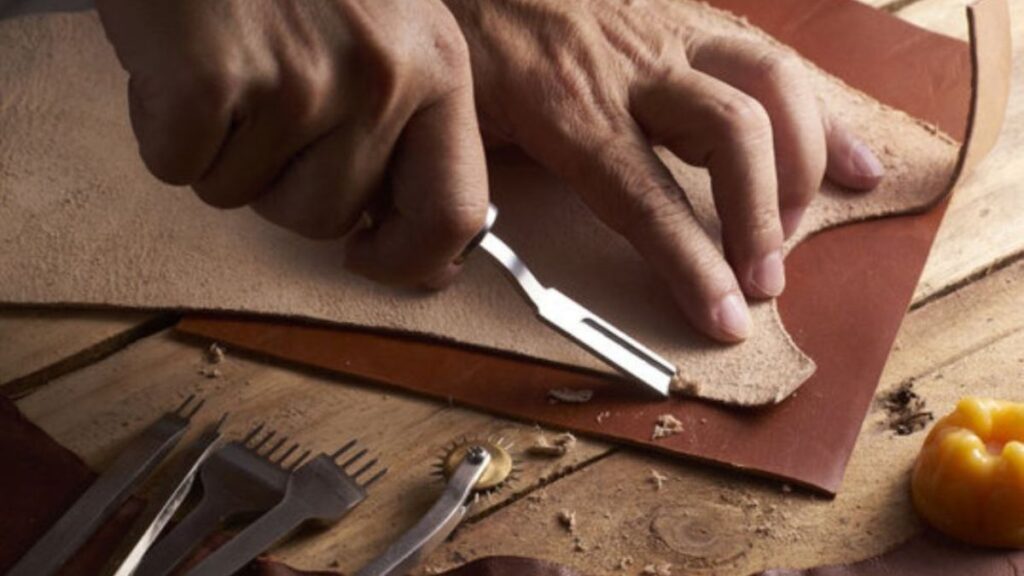
Zuschneidfelle are high-quality, pre-cut hides or furs primarily used in crafts, upholstery, fashion, and interior design. The term comes from the German words “zuschneiden” (to cut) and “Felle” (hides), meaning hides that have been cut to a specific size for practical use. These materials are valued for their versatility, durability, and aesthetic appeal. Whether you’re an artisan, designer, or DIY enthusiast, understanding zuschneidfelle helps you select the right type for your creative or professional needs. This guide explores the history, production, uses, and benefits of zuschneidfelle, along with practical tips for care and selection.
What Are Zuschneidfelle?
Zuschneidfelle are pre-cut animal hides, typically made from sheepskin, cowhide, or goatskin. They are processed and trimmed to make them easier to use in specific applications, such as clothing, accessories, furniture, or rugs. By cutting hides to standard sizes, manufacturers save users the time and effort of handling large raw pieces. The process also ensures uniformity in texture and thickness, making zuschneidfelle ideal for precision projects that demand consistent material quality.
The History and Origin of Zuschneidfelle
The concept of zuschneidfelle originated in Europe, particularly in regions known for traditional leatherworking and fur production. German artisans were among the first to refine the art of cutting and preparing hides for specific industries. Historically, full hides were labor-intensive to handle and often wasted material during cutting. As workshops became more specialized, the idea of selling pre-cut hides—zuschneidfelle—emerged as an efficient solution. Over time, these ready-to-use hides became popular across Europe for garments, shoes, and furniture upholstery. Today, zuschneidfelle are widely available through craft suppliers and specialty leather distributors worldwide.
Production Process of Zuschneidfelle
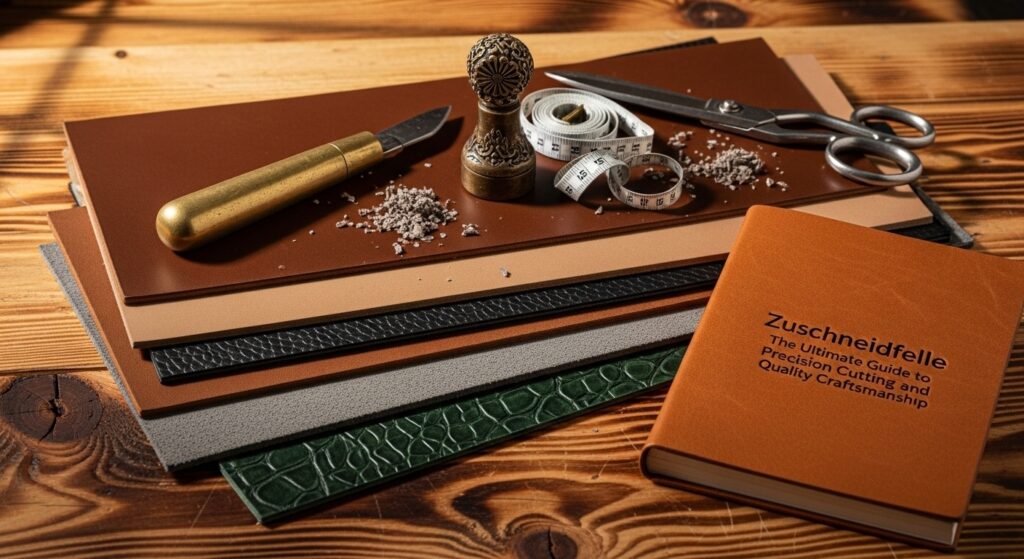
The production of zuschneidfelle involves multiple steps to ensure quality and usability.
Step 1: Hide Selection
Only top-grade hides with minimal defects are selected. They are inspected for natural marks, thickness, and flexibility.
Step 2: Tanning
Tanning stabilizes the hides to prevent decay and enhance softness. Both chrome tanning and vegetable tanning methods are used depending on the desired finish.
Step 3: Cutting and Sizing
After tanning, hides are measured and cut into standard dimensions. These pieces are designed for specific industries such as fashion, upholstery, or crafts.
Step 4: Finishing
Finishing may include dyeing, polishing, or embossing. Some zuschneidfelle are treated with waterproof coatings or brushed to achieve a particular texture.
Step 5: Quality Control
Each batch undergoes inspection to ensure even thickness, color consistency, and durability.
Types of Zuschneidfelle
Zuschneidfelle come in various materials and finishes, each suited for specific applications.
Sheepskin Zuschneidfelle
Soft, warm, and flexible, sheepskin zuschneidfelle are ideal for clothing, linings, and accessories. Their natural insulation makes them perfect for winter wear and interior décor.
Cowhide Zuschneidfelle
Known for toughness and resilience, cowhide zuschneidfelle are popular in furniture upholstery and automotive interiors. They offer a balance of durability and style.
Goatskin Zuschneidfelle
Goatskin zuschneidfelle have a fine grain and high tensile strength. They are often used for gloves, shoes, and handbags.
Synthetic Zuschneidfelle
For ethical and budget-conscious buyers, synthetic zuschneidfelle replicate the look and feel of real hides using artificial materials. They are easier to maintain and free from animal-based components.
Common Uses of Zuschneidfelle
Zuschneidfelle are extremely versatile and can be found in various industries.
Fashion and Apparel
Designers use zuschneidfelle to craft jackets, vests, gloves, hats, and boots. Their natural warmth and texture add a luxurious touch to clothing lines.
Upholstery and Furniture
Zuschneidfelle are widely used to cover sofas, chairs, and cushions. Their durability and aesthetic appeal make them a favorite among interior designers.
Home Décor
Rugs, throws, and wall hangings made from zuschneidfelle add comfort and rustic charm to living spaces. The natural variation in hide patterns creates unique pieces for each home.
Crafts and DIY Projects
Crafters love zuschneidfelle for their ease of use. Pre-cut hides are ideal for making keychains, belts, wallets, or decorative accessories.
Automotive Interiors
In luxury vehicles, zuschneidfelle provide soft and elegant upholstery finishes that enhance both comfort and appearance.
Benefits of Zuschneidfelle
Ready-to-Use Convenience
Pre-cut hides save time and reduce waste, especially for small-scale projects or limited production runs.
Consistent Quality
Since zuschneidfelle are pre-selected and treated, users can rely on uniform color, thickness, and softness.
Durability
High-quality tanning and finishing processes ensure that zuschneidfelle are resistant to wear and environmental factors.
Sustainability
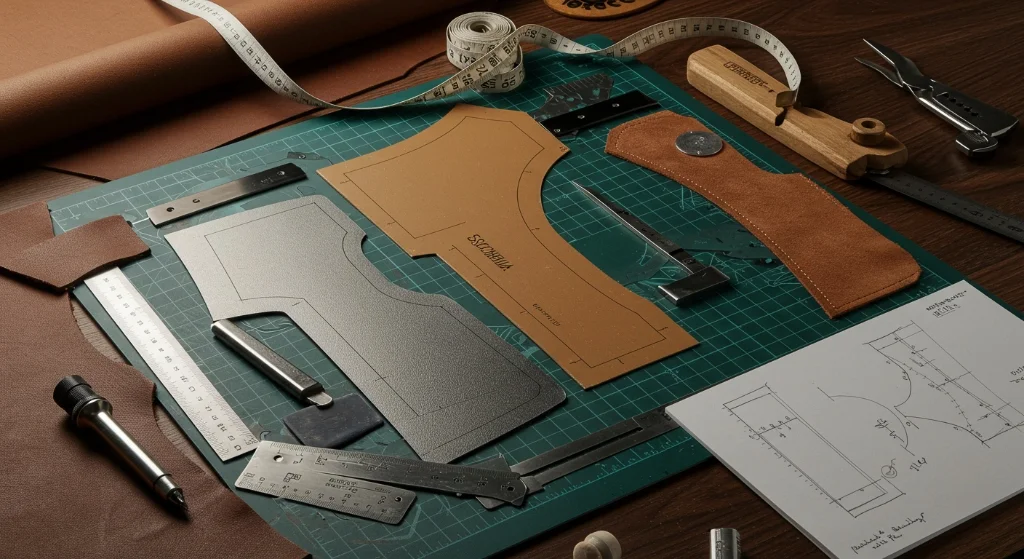
Ethical sourcing and modern tanning methods have made zuschneidfelle more eco-friendly. Many suppliers use hides that are by-products of the meat industry, minimizing waste.
Aesthetic Appeal
Natural textures, grains, and colors of zuschneidfelle make every piece unique and visually appealing.
How to Choose the Right Zuschneidfelle
Define Your Purpose
Determine whether you need zuschneidfelle for fashion, furniture, or crafts. The intended use affects which type of hide and finish you should choose.
Check Thickness and Flexibility
For garments, go for soft and thin hides. For upholstery, thicker and more durable hides are best.
Inspect Quality
Examine the hide for uniformity in color, absence of scars, and overall smoothness. Always buy from reputable suppliers.
Compare Natural vs. Synthetic
Natural hides offer authenticity and comfort, while synthetic alternatives are easier to maintain and more affordable.
Maintenance and Care Tips
Proper care extends the life of zuschneidfelle.
- Keep hides away from direct sunlight and heat sources to prevent drying or cracking.
- Use a soft brush or vacuum with a gentle attachment to remove dust.
- For spills, blot immediately with a clean cloth and avoid harsh chemicals.
- Occasionally apply leather conditioner to maintain softness and luster.
- Store zuschneidfelle in a cool, dry place when not in use.
Where to Buy Zuschneidfelle
Zuschneidfelle can be purchased from leather suppliers, online marketplaces, and craft stores. When shopping online, check for product descriptions that specify material, size, and tanning method. Trusted sellers often provide photos of actual hides and customer reviews. Local leather workshops may also offer customized zuschneidfelle tailored to your project’s dimensions.
Future Trends of Zuschneidfelle
As sustainability becomes a global priority, eco-friendly tanning and recycling processes are transforming the zuschneidfelle market. Manufacturers are adopting water-based dyes, plant-based tanning agents, and cruelty-free production methods. Additionally, digital design tools now allow customers to preview how zuschneidfelle will look in their projects, making customization easier than ever. The future of zuschneidfelle lies in blending traditional craftsmanship with modern innovation.
Conclusion
Zuschneidfelle represent the perfect combination of tradition, functionality, and beauty. From luxury fashion to home interiors, these versatile hides continue to inspire creativity and craftsmanship. Their adaptability across industries demonstrates their lasting value. Whether you’re designing a jacket, upholstering furniture, or creating décor, zuschneidfelle offer unmatched quality and charm.